


Woven Mesh Net
Woven mesh nets are known for their strength and durability. They are made from high-quality materials, such as polyethylene or polypropylene, that are woven together to create a strong and resilient netting. This ensures that the net can withstand the rigors of transportation and handling without tearing or breaking, providing reliable protection for the packaged goods.
Product Details
What is Woven Mesh Net
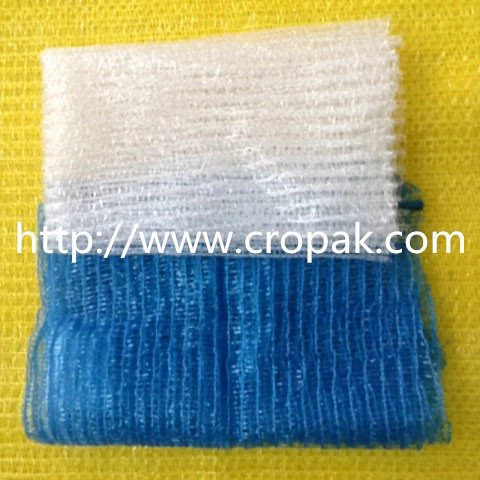
A woven mesh net is a type of fabric made by interlacing strands or yarns at right angles to form a grid-like pattern. This structure can be created through various weaving techniques, resulting in a versatile material that offers strength, flexibility, and permeability. The mesh size, which refers to the space between the individual strands, can be adjusted to suit specific applications, ranging from fine meshes for delicate filtration to coarse meshes for robust screening.
Advantages of Woven Mesh Net
Strength and Durability:Woven mesh nets are known for their strength and durability. They are made from high-quality materials, such as polyethylene or polypropylene, that are woven together to create a strong and resilient netting. This ensures that the net can withstand the rigors of transportation and handling without tearing or breaking, providing reliable protection for the packaged goods.
Load Containment:Woven mesh nets are designed to securely contain and stabilize the load on a pallet or in a container. The netting wraps tightly around the goods, preventing shifting, movement, and potential damage during transportation. It provides 360-degree coverage and flexibility to accommodate different load sizes and shapes, ensuring that the goods remain in place and intact.
Breathability and Ventilation:The open structure of woven mesh nets allows for air circulation, ensuring proper ventilation and reducing the risk of moisture buildup. This is particularly beneficial for perishable goods or items that are sensitive to temperature and humidity. The netting helps to maintain the freshness and quality of the packaged goods by allowing air to circulate freely.
Visibility and Barcode Scanning:Woven mesh nets offer excellent visibility of the packaged goods. The transparent netting allows for easy identification and inspection of the contents without the need for unpacking or opening the packaging. This is particularly beneficial for inventory management and quality control purposes. Additionally, the netting does not obstruct barcode scanning, ensuring efficient and accurate scanning of product information.
Reusability:Woven mesh nets are reusable, contributing to cost savings and sustainability efforts. The netting can be removed and reused for multiple shipments, reducing the need for frequent repurchasing. This not only reduces packaging costs but also minimizes waste and environmental impact.
Protection from Dust and Debris:Woven mesh nets act as a protective barrier, preventing dust, dirt, and debris from accumulating on the packaged goods. This is particularly beneficial for products that need to be stored for extended periods or transported in dusty environments. The netting helps to keep the items clean and free from external contaminants.
Easy Application and Removal:Woven mesh nets are easy to apply and remove, saving time and effort during the packaging process. They can be quickly wrapped around the pallet or goods using manual application tools. The netting's elasticity ensures a secure and tight fit without the need for additional fasteners or adhesives. This ease of application and removal makes it a convenient choice for small-scale or manual packaging operations.
Cost-effective:Woven mesh nets are a cost-effective packaging solution. They require minimal material usage compared to other packaging options, reducing packaging costs. The netting is lightweight, which helps to minimize shipping costs. Furthermore, the netting's durability ensures that it can be used for multiple shipments, reducing the need for frequent repurchasing.





Why Choose Us
High quality products
We always put customer needs and expectations in the first place, refine on, continuous improvement, to seek every opportunity to do better, to provide customers with their expectations of quality products, to provide customers with the most satisfactory service at anytime.
Professional service
We can accept factory inspection and goods inspection at any time. Technical discussion, research and development of new products, and complete after-sales service.
Quality assurance
In terms of quality assurance, the company strictly follows the standards and norms of the industry quality system. Adopt industry-leading testing equipment to ensure product quality and good reputation.
Rich experience
Has a long-standing reputation in the industry, which makes it stand out from its competitors. With over many years of experience, they have developed the skills necessary to meet their clients' needs.
Competitive prices
We offer our products at competitive prices, making them affordable for our customers. We believe that high-quality products should not come at a premium, and we strive to make our products accessible to all.
Professional team
We have a team of skilled and experienced professionals who are well-versed in the latest technology and industry standards. Our team is dedicated to ensuring that our customers get the best service and support possible.
Types of Woven Mesh Net
Knitted Mesh Netting
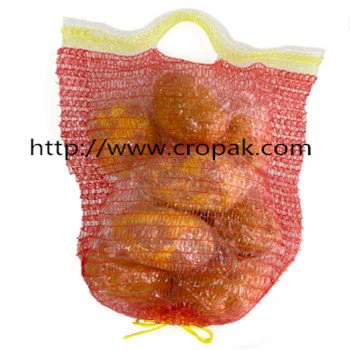
Knitted mesh netting is a type of woven mesh netting that is made by interlocking loops of yarn. This creates a flexible and stretchy netting that can conform to the shape of the packaged goods. Knitted mesh netting is often used for packaging delicate or irregularly shaped items, such as fruits and vegetables.
Extruded Mesh Netting
Extruded mesh netting is a type of woven mesh netting that is made by extruding plastic through a die to create a netting with uniform openings. This creates a strong and durable netting that is often used for heavy-duty applications, such as industrial packaging and construction.
Raschel Mesh Netting
Raschel mesh netting is a type of woven mesh netting that is made by using a warp knitting process. This creates a netting with a diamond-shaped pattern that is often used for packaging items that require ventilation, such as seafood and firewood.
Tubular Mesh Netting
Tubular mesh netting is a type of woven mesh netting that is made by knitting a continuous tube of netting. This creates a netting that can be easily cut to the desired length and used to package items of various sizes and shapes.
Leno Mesh Netting
Leno mesh netting is a type of woven mesh netting that is made by weaving two sets of yarns together in a crosshatch pattern. This creates a netting with a unique open structure that allows for excellent ventilation and visibility. Leno mesh netting is often used for packaging items that require airflow, such as produce and flowers.
Hexagonal Mesh Netting
Hexagonal mesh netting is a type of woven mesh netting that is made by weaving yarns together in a hexagonal pattern. This creates a netting with a unique shape that is often used for packaging items that require a secure and stable fit, such as bottles and cans.
What Materials Are Typically Used to Make Woven Mesh Nets
Stainless steel, galvanized steel, copper, and aluminum are popular choices for woven wire mesh. Metal wires offer high strength, durability, and corrosion resistance, making them suitable for a wide range of applications. Polyethylene (PE), polypropylene (PP), polyester (PET), and nylon are common plastic materials used in woven mesh production. Plastic filaments offer lightweight, corrosion resistance, and low cost, making them suitable for applications such as packaging, agriculture, and construction. Natural fibers such as cotton, wool, and silk, as well as synthetic fibers like polyester and nylon, can be used to create woven meshes. Fibers are often used in applications where breathability, softness, or specific filtration properties are required. Composites combining fibers and matrices, such as fiberglass and resin, can be used to create woven mesh nets with enhanced properties such as strength, stiffness, and fire resistance. In some cases, specialty materials such as Kevlar, carbon fiber, or stainless steel cable may be used to create woven mesh nets with unique properties such as high tensile strength or chemical resistance.
Can Woven Mesh Nets Be Customized to Specific Sizes or Shapes
Size customization
Woven mesh net manufacturers typically offer a range of standard sizes, but they can also produce nets to exact customer specifications. This may include customizing the width, length, and mesh size of the net. Customers can provide specific dimensions or drawings to ensure the net fits their intended use.
Shape customization
In addition to standard rectangular or square shapes, woven mesh nets can be customized to various shapes. This could involve creating nets with rounded edges, irregular shapes, or specific geometric patterns. The manufacturing process allows for flexibility in shaping the net to fit the desired application.
Customized mesh size
The size of the mesh openings can also be tailored to the specific needs of the application. Smaller mesh sizes may be used for finer filtration or to prevent the passage of smaller objects, while larger mesh sizes might be preferred for larger particles or greater airflow.
Special designs and features
Depending on the application, additional customizations may be possible. This can include adding reinforcement ribs, attaching handles or hooks, or integrating other components into the net. Special coatings or finishes can also be applied to enhance durability, corrosion resistance, or other properties.
Custom colors and branding
Woven mesh nets can be produced in specific colors or with branding elements, such as logos or labels, to meet aesthetic or marketing requirements.
Prototype and sample production
Manufacturers often work with customers to produce prototypes or samples to ensure the customized net meets their expectations. This allows for testing and validation before moving into full-scale production.
Technical specifications and performance requirements
When customizing woven mesh nets, it's important to communicate specific technical specifications and performance requirements to the manufacturer. This may include load capacity, tensile strength, corrosion resistance, or other criteria relevant to the intended use.
Collaboration with manufacturers
Working closely with experienced manufacturers who have the capabilities to handle custom orders is essential. They can provide expert advice, suggest suitable materials and weaving techniques, and ensure the final product meets the desired specifications.
Are There Any Safety Considerations When Using Woven Mesh Nets

Load Bearing Capacity
Understand the maximum load the mesh net can bear without deforming or breaking. Do not exceed this limit.
Properly distribute weight across the net to avoid point loads that could lead to tearing or failure.
Edge Treatment
Mesh nets may have sharp edges after cutting or shaping. Handle them carefully to avoid cuts and lacerations.
Use gloves when handling cut or unfinished nets to protect your hands.
Secure Attachment
Ensure that the mesh net is securely fastened to its supporting structure. Loose or improperly attached nets can cause entanglement, collapse, or fall hazards.
Regularly inspect fixings and fasteners to ensure they remain tight and intact.
Corrosion Resistance
Select the right material and coating for the environment in which the mesh net will be used to prevent corrosion and degradation over time.
Inspect mesh nets regularly for signs of rust or corrosion and replace them if necessary.
Fire Safety
Some types of mesh nets may be flammable. Choose fire-resistant materials for environments where there's a risk of exposure to high temperatures or open flames.
Keep mesh nets away from ignition sources and store them in a safe location.
Visibility
If used in areas where visibility is important, such as near roads or in construction zones, choose mesh nets with high-visibility colors or add reflective strips to increase visibility.


Environmental Impact
Consider the environmental impact of the mesh net, especially if used outdoors. Non-biodegradable materials should be managed properly to prevent pollution.
User Protection
Provide training to users on how to handle the mesh nets safely, including proper lifting techniques and awareness of potential hazards.
Use personal protective equipment (PPE) such as gloves, eye protection, and hard hats where appropriate.
Maintenance and Inspection
Regularly inspect woven mesh nets for damage, wear, and tear. Promptly repair or replace damaged sections to maintain integrity and safety.
Store mesh nets properly when not in use to prevent damage from environmental factors or accidental misuse.
Compliance with Standards
Ensure that the woven mesh nets comply with relevant industry standards and regulations. This includes safety codes, material standards, and performance guidelines.

Components of Woven Mesh Net
Wire or Yarn Material
The basic building blocks of a woven mesh net are the individual strands of material, which can be metal (such as steel, aluminum, or stainless steel), plastic (like polyethylene or polypropylene), natural fibers (cotton, sisal), or synthetic twines.
The choice of material depends on the intended application, taking into account factors such as strength, flexibility, corrosion resistance, and environmental conditions.
Coatings and Finishes
To enhance the longevity and performance of the mesh net, coatings like galvanization (zinc), powder coating, PVC, or vinyl may be applied to the wire or yarn material.
These coatings provide protection against rust, UV radiation, and chemical exposure, ensuring the net maintains its integrity and appearance over time.
Mesh Size and Opening
The size of the mesh, defined by the dimensions of the spaces between the wires or yarns, is critical for the net's purpose. Mesh size can range from very fine to quite large, depending on the application.
For example, window screens require fine mesh to keep out insects, while larger mesh openings might be suitable for agricultural fencing.
Weave Pattern
The pattern in which the wires or yarns are interlaced determines the strength and characteristics of the mesh net. Common patterns include plain weave, twill weave, and diamond weave.
Each weave pattern has its own advantages, such as higher tensile strength or better flexibility, and is chosen based on the specific requirements of the application.
Edge Treatments
The edges of a woven mesh net are often finished to prevent fraying and to provide a clean, professional appearance.
Edge treatments can include binding, sealing with adhesives or heat, or adding additional reinforcing materials like grommets or rope.
Fasteners and Attachments
To secure the mesh net to frames, posts, or other structures, various fasteners may be used, such as staples, ties, hooks, or clips.
Fasteners must be compatible with the mesh material and capable of withstanding the forces exerted on the net in use.
Reinforcement Elements
In some cases, the mesh may need additional reinforcement to handle heavy loads or resist tearing. This can be achieved through the use of cables, rods, or bands running parallel or perpendicular to the wires.
Reinforcements can significantly improve the structural stability and lifespan of the mesh net.
Tension and Sag
The tension maintained in the mesh net affects its performance and appearance. Overly tight meshes can be prone to breakage, while loose meshes may sag and fail to serve their purpose.
Adjustable tensioning devices or proper installation techniques are used to maintain optimal tension.
Regular cleaning is important to remove dirt, debris, and any accumulated particles. You can use a soft brush, mild soap, and water to gently clean the net. Avoid using harsh chemicals or abrasive materials that may damage the mesh. Periodically inspect the net for any signs of damage, tears, or loose stitches. Look for areas that may have come loose or been weakened over time. Promptly repair any damage to prevent further deterioration. When not in use, store the woven mesh net in a dry and protected area. Avoid exposing it to excessive moisture, direct sunlight, or harsh environmental conditions that can cause degradation.
Keep sharp objects away from the mesh to prevent punctures or cuts. This is especially important in areas where there is a risk of contact with tools, machinery, or other potentially damaging items. If the mesh is made of metal, take appropriate measures to prevent rust. This may involve coating the mesh with a rust-inhibiting spray or paint, or storing it in a dry environment to minimize the risk of corrosion. If the net is exposed to sunlight for extended periods, consider using UV-resistant coatings or treatments to protect it from the harmful effects of ultraviolet radiation.
Depending on the specific application and usage, follow any recommended maintenance schedules provided by the manufacturer. This may include periodic inspections, lubrication of moving parts (if applicable), or replacement of worn or damaged components. For more complex or large-scale woven mesh nets, or if you are unsure about maintenance procedures, it may be beneficial to consult with professionals or the manufacturer for guidance and potential servicing or repair. When handling the net, be gentle to avoid excessive stretching or putting unnecessary stress on the mesh. This can help prolong its lifespan and maintain its integrity.
How Are Woven Mesh Nets Attached or Secured in Different Applications


Welding or soldering:For wire mesh, welding or soldering are common joining methods. This involves using heat to join the edges of the mesh together to create a permanent bond. Welding or brazing provides a strong and secure connection, especially in applications where the network will be under significant stress or exposed to the elements.
Cable ties or cable ties:Cable ties or zip ties are a quick and easy way to secure your braided mesh. They are available in different materials, such as plastic or metal, and can be easily tightened using hand tools. Cable ties or cable ties are typically used for temporary or semi-permanent installations that require frequent access or adjustments.
Screws and Bolts:Screws and bolts can be used to secure woven mesh to solid surfaces such as wood, metal, or concrete. This method provides a more permanent and secure connection but requires drilling holes in the substrate. Screws and bolts are often used in applications that require a high level of stability, such as security fencing or structural supports.
Clips or brackets:Clips or brackets can be attached to the edges of the braid and then secured to the support structure. These clamps or brackets provide a secure connection while allowing the net to be easily removed or adjusted. Clamps or brackets are often used in applications where frequent access or removal of the net is required, such as construction site fencing or temporary fencing.
Adhesives or glues:Adhesives or glues can be used to secure woven mesh to a variety of surfaces. This method is suitable for applications that require clean, seamless connections. Adhesives or glues provide a strong bond but may not be as permanent as other methods and may require specific surface preparation.
Rivets or Eyelets:Rivets or eyelets can be used to secure woven mesh to other materials or components. Rivets are permanent fasteners that require drilling holes in the mesh and substrate and then riveting them together. Eyelets are small metal rings attached to the edges of the net and can be used to secure the net with cords, cords or ties.
Hook and Loop Fasteners:Hook and loop fasteners, such as Velcro, can be used to secure woven mesh to other surfaces. This method provides a quick and easy way to connect and tear down the network, making it suitable for applications that require frequent access or adjustments.
Elastic Bands or Cords:Elastic bands or cords can be used to secure woven mesh, especially in applications where a tight fit is required. This method is often used for items such as window or door screens, where the mesh needs to be stretched to fit the opening.
Magnets or magnetic strips:Magnets or magnetic strips can be used to attach braided mesh to magnetic surfaces. This method is suitable for applications where the netting needs to be easily removed or where frequent access is required, such as magnetic screens for insects or animals.
Grommets and Ties:Grommets can be fastened to the edges of the braided net, and ties or rope can be threaded through the grommets to secure the net. This method provides a strong and secure connection while allowing for some adjustability.
Can Woven Mesh Nets Be Recycled or Reused
Material type
The recyclability of woven mesh nets depends on the material. For example, nets made of metals like steel or aluminum can typically be recycled. Polyester, nylon, or other synthetic fibers may also have recycling options, although the availability and processes may vary.
Condition of the net
If the woven mesh net is in good condition, it may be possible to reuse it for the same or a similar purpose. This could involve cleaning and repairing the net if necessary before reusing it.
Recycling facilities
Check if there are local recycling facilities or programs that accept the specific type of woven mesh net. Some communities have dedicated recycling centers for different materials.
Donation or repurposing
If the net is no longer usable for its original purpose, consider donating it to organizations or individuals who may find it useful. It could be repurposed for art projects, DIY crafts, or other creative endeavors.
Composting (organic materials)
If the net is made of biodegradable materials, such as natural fibers, it may be suitable for composting. However, ensure it does not contain any non-biodegradable components.
Upcycling
Look for ways to upcycle the woven mesh net into new products or projects. For example, it could be used as a decorative element, or transformed into a functional item like a storage container or a garden barrier.
Disposal
If recycling or reuse options are not available, proper disposal is important. Follow local waste management guidelines to ensure the net is disposed of in an environmentally friendly manner.
Manufacturer take-back programs
Some manufacturers offer take-back programs or have recommendations for the disposal or recycling of their products. Check with the manufacturer for any specific instructions or options they provide.
Cropak products co.,ltd has more than 20 years of experience in the packaging industry. Our company is located in Fuzhou City, Jiangxi Province, between Ningbo Port and Xiamen Port, so our customers can choose the loading place. Cropak is a professional lasher bag, pallet net and baling net factory, a branch factory of Jiangxi Longda Industrial Co., Ltd., established in 1994. From 1994 to 2005, the company produced PP woven bags and PP leno bags. Then from 2005 to 2010, the category of goods was expanded to raschel bags, pallet nets and bale nets, and in the same period, raschel bags, reel raschel bags, tubular nets, and sewing threads were developed. We are one of the leading manufacturers of agricultural packaging products in China, so we have stable quality and are a trustworthy factory.

Certifications

FAQ
Hot Tags: woven mesh net, China woven mesh net suppliers, factory, strong sewing thread, mini round baler net wrap, Hay Bale Net Wrap, red white blue hay wrap, onion sack bag, mesh potato bags
Send Inquiry
